
SPORTS TOURISM
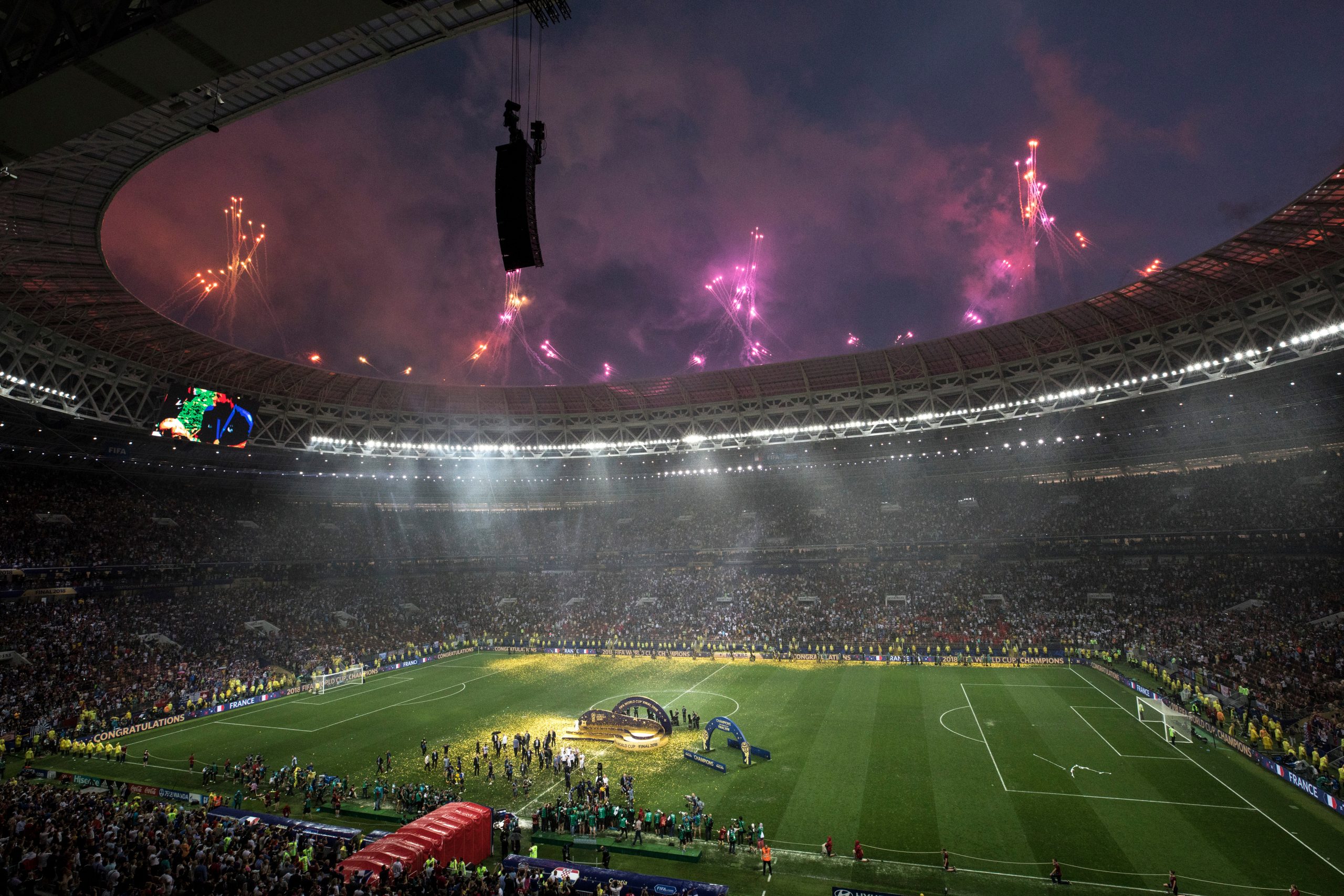
Sports tourism can be categorised into ‘hard’ sports and ‘soft’ sports. Hard sports tourism attracts huge global participants, and people tend to travel together to a host country to attend these events. These are usually competitive international sports events such as Formula 1 Grand Prix and SEA Games. Meanwhile, soft sports tourism refers to recreational sports activities or getaways such as golfing, water-rafting and scuba-diving. This type of sports tourism combines both sports activities and leisure, which typically lures tourists to exciting destinations known for its physical or natural attractions. In 1998, the Commonwealth Games, known as the second largest sports event in the world after the Olympic Games, was held in Kuala Lumpur.
This international sports event was an excellent example of hard sports tourism in Malaysia that created multifold values to the economy. The event attracted 6,670 athletes and officials, along with a substantial number of media and visitors locally and abroad. It was reported that a single international tourist who came for the Commonwealth Games spent an average of RM3,800 for the duration of 12.5 nights stay.
LIFE BELOW WATER

The seas and oceans play a vital role in providing and regulating the climate, the food, rainwater and oxygen for the earth.
Malaysia has major challenges to overcome before achieving the targets for SDG 14. Malaysia also has largely kept the proportion of the fish caught from the overexploited or collapsed stock at sustainable level.
Moreover, Malaysia has retained close to zero percentage for fish caught which later was discarded. Having said that, areas of concern for Malaysia would revolve around protection of key biodiversity areas and general marine areas trawling and cleanliness of the ocean.
Read more: https://sdg-for-malaysia-states-sdsn.hub.arcgis.com/pages/sdg-14-life-below-water

Awareness Programs Implementation